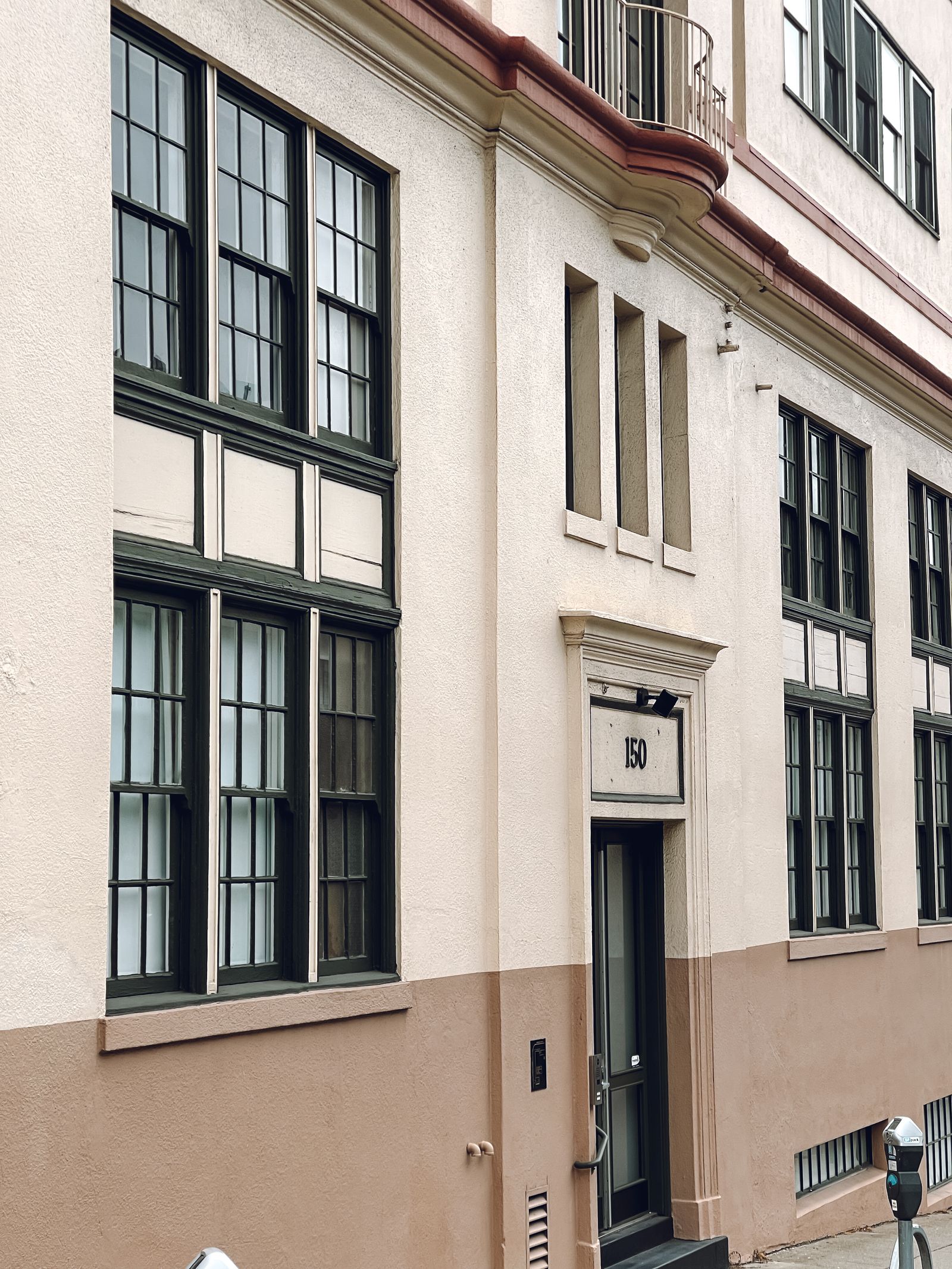
Begin with the Honolulu facade, not a generic cleaning package
Oahu commercial properties often combine painted concrete, stucco, EIFS, precast panels, glazed tile, glass, aluminum, stone, canopies, balconies, and rooftop equipment. A tower near Kalakaua Avenue may have guest balconies and busy sidewalks at every elevation. A Kaka'ako building may combine new metal panels with older concrete and retail frontage. A downtown office or medical property can have air intakes, protected entrances, delivery lanes, and limited staging. The first review separates algae, mildew, salt film, pollen, traffic soil, bird residue, irrigation marks, mineral deposits, oxidation, coating failure, and water intrusion rather than treating every dark area as the same problem.
Soft washing may be appropriate for compatible organic growth and atmospheric film on tested surfaces. It does not repair cracked concrete, failed sealants, spalled areas, coating failure, corrosion, leaks, or moisture behind a wall. A test area can be important where a building has mixed coatings, older repairs, decorative finishes, or a strict hospitality appearance standard. The proposal should define the intended improvement, identify exclusions, and separate ordinary washing from glass polishing, hard-water removal, oxidation treatment, restoration, and repairs.
- Map concrete, stucco, EIFS, tile, glass, metal, stone, painted areas, and joints.
- Separate salt film, organic growth, traffic soil, mineral deposits, oxidation, and building damage.
- Set the finish standard for guest-facing, tenant-facing, service, and rooftop elevations.
- Keep leaks, failed sealants, corrosion, and structural repairs outside routine washing.
Plan around Waikiki hotels, condos, retail, and healthcare
Honolulu buildings rarely become empty during business hours. Waikiki hotels manage check-in, pool decks, breakfast, guest balconies, tour traffic, and evening arrival activity. Condominiums in Kaka'ako, Ala Moana, and near Diamond Head may need notice to residents, coordination with a manager, protection of shared lanais, and careful control around parked cars. Ala Moana Center and neighborhood retail corridors have storefronts, deliveries, restaurants, accessible routes, and shoppers close to the facade. Hospitals, clinics, and medical offices add patient movement, ambulance access, clean-air requirements, and a higher need for communication before work begins.
A workable sequence starts with the property's calendar. Ask about guest occupancy, resident notices, quiet hours, loading windows, valet operations, pool or outdoor dining use, medical routes, deliveries, security, and the person authorized to pause the work. A phased elevation plan can keep a lobby, ADA route, emergency lane, loading zone, or retail entrance available. Barriers, signs, hose routing, air-intake protection, spotters, and final handback should be included in the quote instead of left to the day of service.
Account for salt air, tropical humidity, and rain
Salt carried by ocean air can leave a fine film on glass, metal, painted surfaces, balcony rails, signage, and exposed concrete. It can also make corrosion risk and spotting more important to a facilities team, particularly at ocean-facing hotels, towers near Ala Moana Beach, and properties along the south shore. Warm humidity, shade, rain, and sheltered ledges can support biological growth in places that do not dry quickly. A facade can look clean after an appearance reset and then collect new salt or rain film soon afterward. A maintenance plan should follow exposure and the property's appearance standard rather than promise one identical interval for every elevation.
Honolulu rain can be localized and fast-moving. Wind may change spray control, tropical showers can alter dwell and drying, and wet pavements can become a guest or pedestrian hazard. Work should pause when wind, rain, lightning, visibility, or surface conditions no longer support the plan. A weather-aware sequence can focus on manageable elevations, leave time for a dry inspection, and document whether a shower changed the result. Coastal exposure, sheltered courtyards, shaded north-facing walls, and roof edges may reasonably receive different maintenance recommendations.
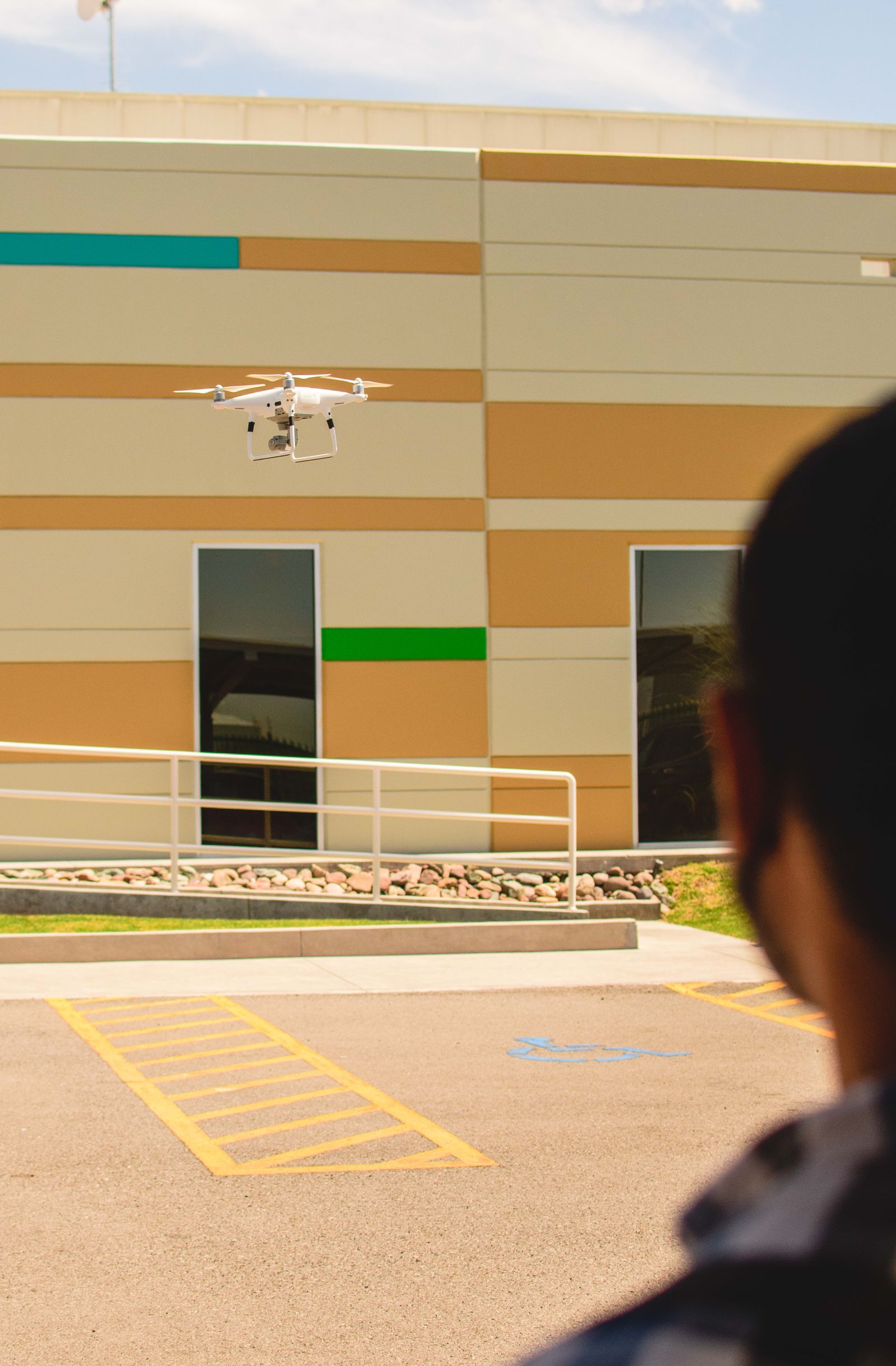
Evaluate drone access against Honolulu airspace and the building
Drone-assisted application or rinsing may support broad upper wall fields when wind, line of sight, stand-off distance, launch and recovery space, water access, and ground controls are workable. It is not a guarantee that every elevation can be cleaned from the air. High-rise balconies, guy wires, utility lines, palm trees, rooftop equipment, neighboring towers, narrow streets, active sidewalks, and hotel guests can limit the method. Entrances, frames, ledges, awnings, bonded salt deposits, and detailed trim may still need a lift, water-fed pole, roof access, or controlled hand work.
Honolulu International Airport, military and controlled airspace, heliports, special events, emergency operations, and temporary restrictions can affect an aerial plan. Commercial operators must follow applicable Federal Aviation Administration rules and obtain any authorization required for the address and date. A credible proposal identifies the elevations where aerial support is expected to help, the public separation plan, spotters, communications, emergency stop process, weather limits, and the alternate method if conditions change. A hybrid scope can be practical: aerial support for compatible upper wall fields, contact work around entrances and balconies, and a specialty process for residue that ordinary washing will not remove.
Protect landscaping, stormwater paths, and public space
Honolulu properties may have planters, palms, irrigated landscaping, sloped drives, curb inlets, parking structures, catch basins, lanai areas, and low points close to the building. Rinse water and removed soil can move from an upper elevation to a sidewalk, lobby threshold, loading lane, planting bed, storm drain, neighboring property, or the ocean-facing side of a site. Before work begins, map drains, doors, air intakes, cameras, vehicles, outdoor seating, irrigation heads, emergency routes, and places where hoses or barriers could interfere with guests and residents. Confirm water access, staging, pedestrian controls, and the person who can stop the work if flow changes.
The right controls depend on the products, soil removed, rinse volume, slope, drainage, and property rules. They may include plant protection, diversion, collection, recovery, reduced rinse volume, filtration, or coordination with the responsible authority. A visible storm drain is not automatic permission to discharge wash water. Closeout should leave public routes dry, document finished elevations, note remaining deposits or repairs, and record weather or access changes so the facilities team has a usable maintenance record.
- Locate catch basins, low points, landscaping, air intakes, guest routes, and loading areas.
- Confirm water source, hose paths, barriers, irrigation status, and emergency access.
- State water-management assumptions and the stop condition if runoff changes.
- Photograph completed zones and note deposits, damage, or contact-cleaning needs.
Request a Honolulu quote tied to the property
A useful proposal should identify service zones, materials, visible soil, included features, method by elevation, access approach, water assumptions, weather limits, occupied-site controls, intended finish, exclusions, and closeout documentation. Broad facade washing should be separated from high-detail glass, hard-water residue, salt deposits, oxidation, construction film, canopy detailing, coating work, and repairs. If aerial assistance is proposed, the scope should say where it is expected to help and what backup method applies if wind, airspace, guests, residents, or finish requirements change.
Send the Honolulu property address, wide and close photos, approximate height, priority elevations, known materials, desired result, preferred dates, water access, drainage concerns, and restrictions related to guests, residents, patients, tenants, deliveries, events, or security. Those details help determine whether a remote review, site visit, test area, or hybrid plan should come next. Call +1 239-351-2897, email contact@dronebuildingcleaners.com, or use the quote form to get in touch.